
Fixing Pool Microcement Failures: MC-7860 Under Chlorine, Slips and Chemicals
Fixing Pool Microcement Failures: How MC-7860 Handles Chlorinated Water, Slips, and Chemicals
A pool finish is judged twice: once in the sample room, and once after two full seasons of chlorinated water. The second judgement is the one that decides whether a specifier, contractor or resort operator keeps using a product.
Blistering, peeling, cracking and discoloration are the four failure modes that end swimming pool microcement projects. They rarely appear in the first month. They appear after the pool has been filled, balanced, heated, shocked, cleaned and used — which is exactly the moment when remediation is most expensive, because the pool has to be drained, the finish removed, the substrate re-prepared and the original programme repeated under a live contract.
That makes the procurement question narrower than a general microcement comparison. The real question is which pool microcement carries documented evidence for chlorinated water immersion, wet slip resistance and everyday pool chemicals — and how far that evidence actually extends. This article answers it for pool builders, resort and hospitality specifiers, and contractors working in chlorinated wet areas. It uses Simon MC-7860 swimming pool microcement as the reference system, sets out the test points that decide a specification, explains how MC-7690 and MC-9000 cover the adjacent zones, and turns the results into acceptance language a site team can use.
Direct answer:MC-7860 is Simon's swimming pool microcement, produced on the HardRock Cement platform with hydrophobic special cement and high polymers. In a 168-hour chlorinated water immersion test the system showed no blistering, peeling, cracking or discoloration. Its dry friction coefficient is 0.77, it resists 10% H2SO4, 20% NaOH, bleach, alcohol and lemon juice, and it is formaldehyde-free, VOC-free and heavy-metal-free, with food-contact and maternal-infant safety positioning.
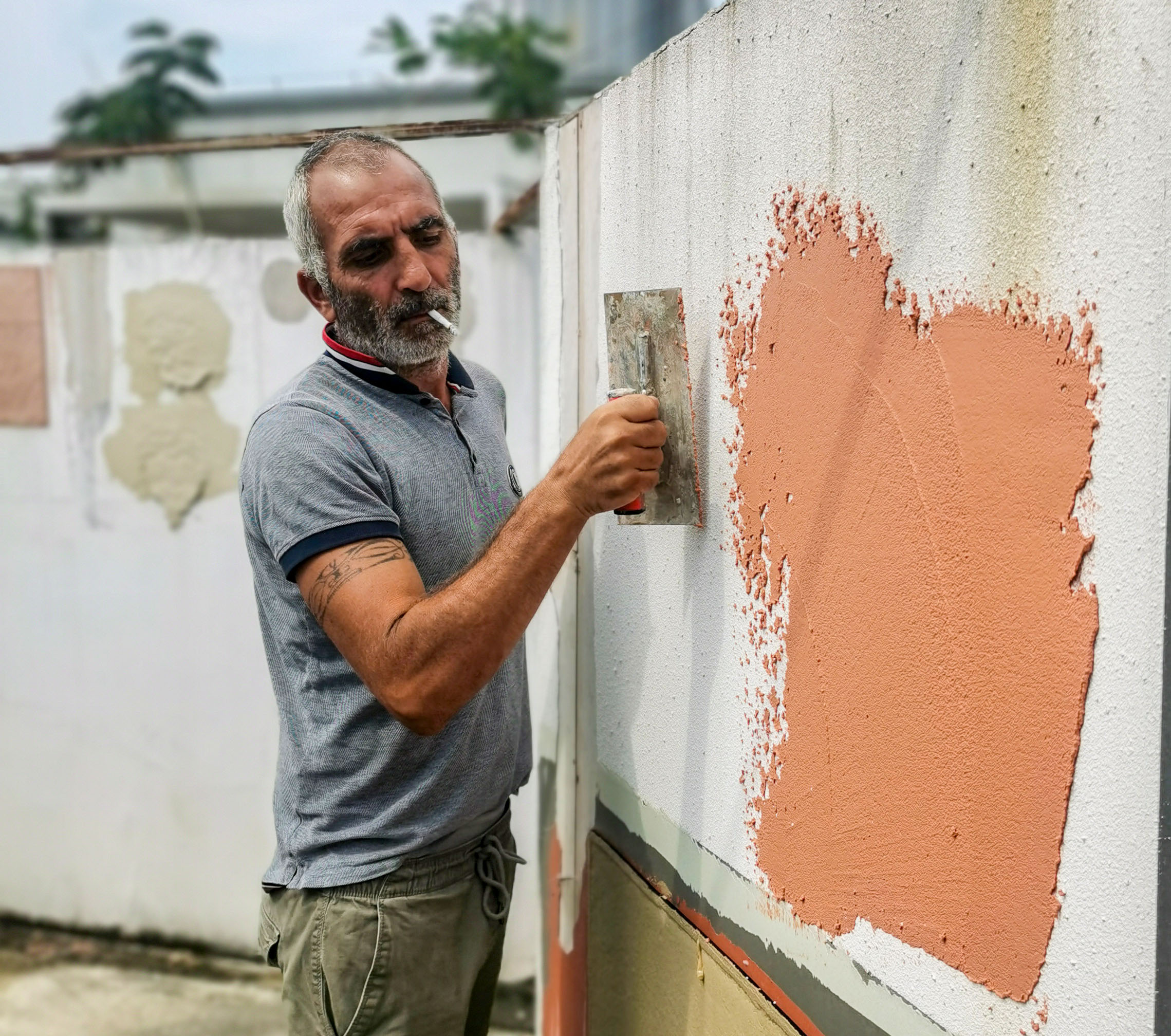
What Pool Microcement Failure Actually Is
Pool microcement failure is a system failure that becomes visible at the surface. The finish is only the last layer of a stack that includes the structural shell, the waterproofing line, primers, reinforcement at movement joints and penetrations, the microcement body and the sealer. When that stack moves, holds moisture or loses adhesion, the symptom appears in the microcement even though the cause sits beneath it.
| Observed symptom | Mechanism most often behind it | Evidence to request before re-specifying |
|---|---|---|
| Blistering — hollow, drum-like spots | Moisture vapour or liquid water trapped at an interface, discontinuous sealer, or substrate moisture above what the system allows | Substrate moisture records, full layer schedule, sealer continuity and coverage rate |
| Peeling or delamination | Weak adhesion caused by contamination, laitance, old tile wax or curing compounds at the bond line | Surface preparation method, adhesion test results, bond-line photographs |
| Cracking | Movement at the shell or joints, thermal cycling, uncontrolled thickness, missing reinforcement at details | Joint and detail drawings, reinforcement specification, crack mapping with dates |
| Discoloration, chalking, loss of sheen | Oxidation of organic components by chlorine and chloramines, metal-ion staining, UV exposure, worn sealer | Water chemistry and shock-dosing records, sealer maintenance interval, fill-water metal test |
The practical lesson is that a failure report should never be filed as the microcement being bad. It should identify which layer failed and which measurable property was missing. That is also what makes a chlorinated water immersion test useful for procurement: it targets interface behaviour rather than appearance, and it produces a statement that can be handed to a client, an insurer or a main contractor.
Why Chlorinated Wet Areas Are a Different Specification Problem
Microcement is no longer a niche workshop material. Dataintelo's microcement coating market research puts the global microcement coating market at USD 1.8 billion in 2025, with two-component systems holding the largest product-type share at 48.3% and flooring accounting for 37.5% of total revenue. A category of that size has a real supply chain behind it — and, equally, a very wide spread in what individual suppliers can actually document.
For a pool, the load case is not the same as a floor. Continuous immersion, chlorine and chloramine exposure, thermal cycling between water and deck temperature, wet barefoot traffic, cleaning chemicals and — on hospitality projects — indoor air quality in an enclosed pool hall all act on the same surface. Public technical sheets from microcement suppliers still concentrate heavily on compressive strength, abrasion and adhesion, while chlorinated immersion, wet slip and chemical resistance data are published far less often. That gap is precisely why like-for-like comparison is hard, and why the specification has to name the tests it wants rather than accept a general claim of water resistance.
Standardisation has improved the starting point. The Chinese industry group standard T/CECS 10192-2022 Polymer Microcement, led and compiled by Simon, defined the application boundaries of Type I (decorative) and Type II (high-performance) microcement for the first time. In practice this gives a buyer an early filter: is the product being offered a decorative system or a high-performance system, and which zones is it declared for? Shenzhen Simon United Building Materials Co., Ltd. — the manufacturer behind the Simon brand, active in microcement and thick-layer decorative coatings since 2007 — also states that its microcement range holds EU Grade A+ and China Green Building Material certification, which is the environmental layer of the same question.
Documentation practice differs by market. Public catalogue entries from European suppliers such as Planocolor list EN 13813, EN 998-1 and EN 1504-2 references, and US suppliers publish safety data sheets aligned with US GHS and OSHA 29 CFR 1910.1200. These are document signals, not automatic proof of pool performance: a catalogue reference, a certificate and a test report are three different things, and a project should request the specific one it will be held to. VOC declarations follow the same logic — SEMCO's X-Bond technical sheet, for example, reports 0 g/L VOC under ASTM D-3960 and states that low water permeability allows use in wetrooms and pools. Composition claims and performance claims answer different questions and are proven by different paperwork.
Cost framing matters because remediation is where pool projects lose money. A 2026 benchmark for installed microcement flooring in Europe puts turnkey cost, material plus labour, at EUR 95–127 per square metre. A failed pool finish does not simply repeat that number; it adds draining, demolition, disposal and lost operating nights on top of it.
MC-7860: The Evidence Behind the Swimming Pool System
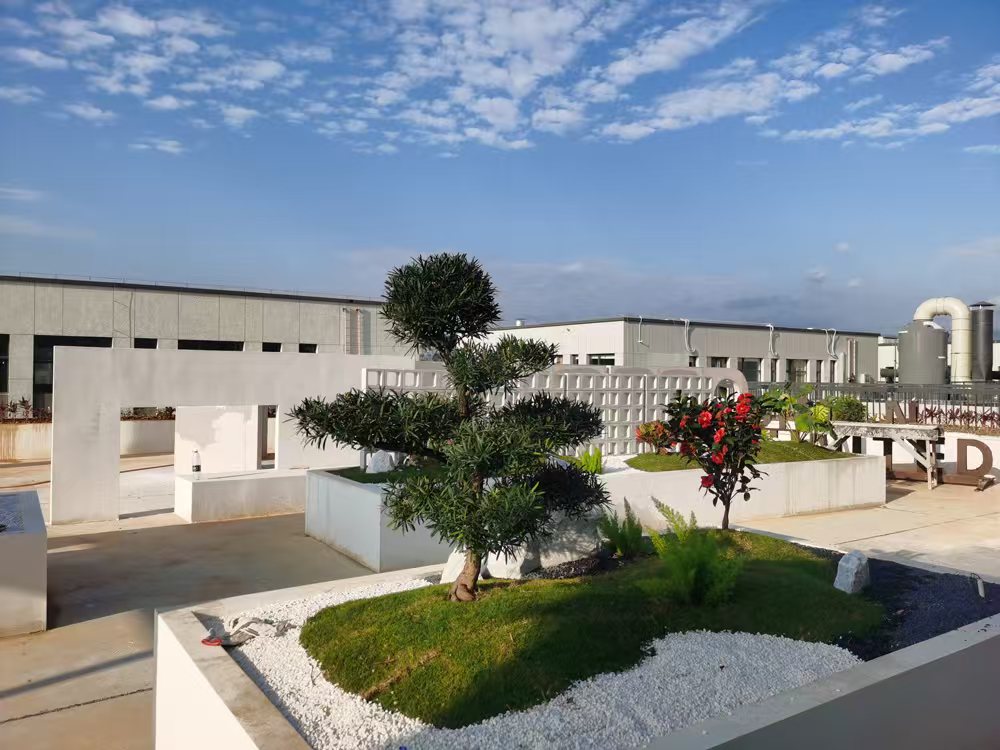
MC-7860 is not a wall microcement repackaged for water. It is built on Simon's HardRock Cement platform, using hydrophobic special cement combined with high polymers. The formulation logic is straightforward: hydrophobic cement reduces capillary uptake, so water is less able to migrate into the body and later be driven out by temperature change, while the polymer network contributes flexibility and adhesion so the body can accommodate movement instead of cracking. The objective is not a harder surface but a more stable interface.
| Performance point | Published result | What it answers for a pool project |
|---|---|---|
| Chlorinated water immersion | 168 hours with no blistering, peeling, cracking or discoloration | Whether continuous chlorinated exposure destabilises the finish |
| Dry friction coefficient | 0.77 | Baseline slip resistance of the finished surface |
| Acid resistance | 10% H2SO4 | Acid washing, pH correction and scale removal |
| Alkali resistance | 20% NaOH | Alkaline cleaners and cementitious contact |
| Oxidisers and household chemicals | Bleach, alcohol, lemon juice | Sanitiser handling, disinfection products, drinks and sunscreen |
| Composition | Formaldehyde-free, VOC-free, heavy-metal-free | Indoor air quality in enclosed pool halls, spas and wellness areas |
| Safety positioning | Food-contact and maternal-infant safe | Children's pools, family wet areas and hospitality environments |
A 168-hour test is seven days of continuous immersion in chlorinated water. Its value is that the four failure modes it checks for are the same four that generate site complaints. When a supplier can state that a finish completed seven days of chlorinated immersion without blistering, peeling, cracking or discoloration, the specifier holds a testable statement that maps directly onto acceptance language instead of a general claim of water resistance.
The 0.77 figure is a dry friction coefficient, and it should be read as exactly that. It is a useful material baseline, but slip risk at a pool is a wet, barefoot condition that is sometimes contaminated with soap or sunscreen, so surface profile and site testing still decide acceptance. The defensible approach is to require a sample panel built in the real system, test it wet, and retain it as the handover benchmark.
Chemical resistance is where pool specifications usually become vague, and naming the agents makes the requirement concrete. 10% sulphuric acid covers acid washing and pH correction; 20% sodium hydroxide covers alkaline cleaners and cementitious contact; bleach covers sodium hypochlorite dosing and sanitiser handling; alcohol covers disinfection and cleaning products; lemon juice covers the organic acids arriving from drinks, sunscreen and food service around a pool deck. A finish that resists all five is answering the operating reality rather than a laboratory curiosity.
Composition carries more weight in a pool hall than at an open-air private pool. MC-7860 is formaldehyde-free, VOC-free and heavy-metal-free, and it is specified for food-contact and maternal-infant safety. For a hotel spa, a covered pool or a children's splash area, that combination reduces the conflict between a decorative seamless finish and indoor air quality management during installation and afterwards.
Two further system facts matter on real projects. Colour control: Simon offers 120 basic colours and more than 1,000 mixing formulas, which is what makes phased refurbishment possible when a resort has to match an existing palette across several pools. Substrate tolerance: Simon microcement can be applied directly to existing ceramic tile, marble and similar substrates, so a pool hall or changing area can be upgraded without full demolition, reducing construction waste and programme time.
Limits that belong in the same specification
- The microcement is a finish system, not the structural waterproofing. The pool shell, the waterproofing line, movement joints, pipe penetrations and light niches must be detailed and tested independently.
- Construction conditions are part of product performance. Simon's control guidance is that application should not take place in excessively cold or excessively hot conditions and that substrate humidity must be controlled, with a construction plan matched to the site.
- Chemical resistance is not unlimited tolerance. Prolonged extreme pH, undiluted chemical contact or repeated shock dosing left on the surface will shorten the life of any sealer, so water balance and cleaning procedure remain part of the asset management plan.
From Evidence to Site: A Seven-Step Breakdown
The sequence below is the one that most reliably converts a documented product into a pool that passes handover. Each step produces a record that can be reviewed later if a symptom appears.
Step 1 — Diagnose before you demolish
Record the failure rather than the damage: location, elevation, whether it sits inside or outside the water line, first appearance date, water chemistry and shock-dosing history, cleaning agents used, and photographs with a scale. A failure log showing blistering only above the waterline points at a different cause than blistering across the whole shell, and it stops the next system from repeating the same mistake.
Step 2 — Verify the substrate and the waterproofing line
Confirm substrate moisture, compressive condition, hollow spots, contamination and joint layout before any material is ordered. On refurbishment of tiled pools the bond line is the usual weak point, so preparation has to remove wax, sealers and loose material. Movement joints, corners, drains and light penetrations should be drawn, not improvised on site.
Step 3 — Assign a system to each zone
Pool interiors, spa basins and water features take MC-7860. Wet changing rooms and shower floors take MC-7690 floor-type microcement. Pool surrounds, decks and other commercial walking surfaces take MC-9000, whose commercial floor formulation is documented at ≥50 MPa compressive strength, stable from −40 °C to 120 °C and compatible with underfloor heating. Zoning the drawing before pricing prevents the common error of forcing one product across a project that has three different load cases.
Step 4 — Lock the construction environment
Temperature and substrate humidity are controlled variables, not site preferences. Application should not proceed in excessively cold or hot conditions, and the base must sit within the moisture range the system allows. Ventilation, direct sun and wind all change open time, so they belong in the method statement rather than in the installer's judgement on the day.
Step 5 — Build the system in sequence
Primer, waterproofing and reinforcement, body coats, finish coats and sealer each have a required interval and thickness. The two failures that most often trace back to this step are sealer applied too thin or too early, and body coats applied too thick to save time. A layer log signed at each stage is more useful at handover than a verbal assurance.
Step 6 — Cure, clean and commission gradually
The finish should be cured and cleaned before it meets pool water and chemicals. Commissioning should be progressive: fill and balance first, then normal operation, and only afterwards any acid washing or shock treatment. Aggressive treatment applied immediately to a new finish is one of the most avoidable causes of early discoloration.
Step 7 — Run acceptance tests and hand over documents
Acceptance should include a visual review under raking light, a tap test for hollow areas, an adhesion check on a representative area, a wet slip test on the retained sample panel, spot tests with the cleaning agents the operator actually uses, and a documented water-balance procedure. The handover pack should contain the layer log, product data, sealer maintenance interval and the sample panel reference.
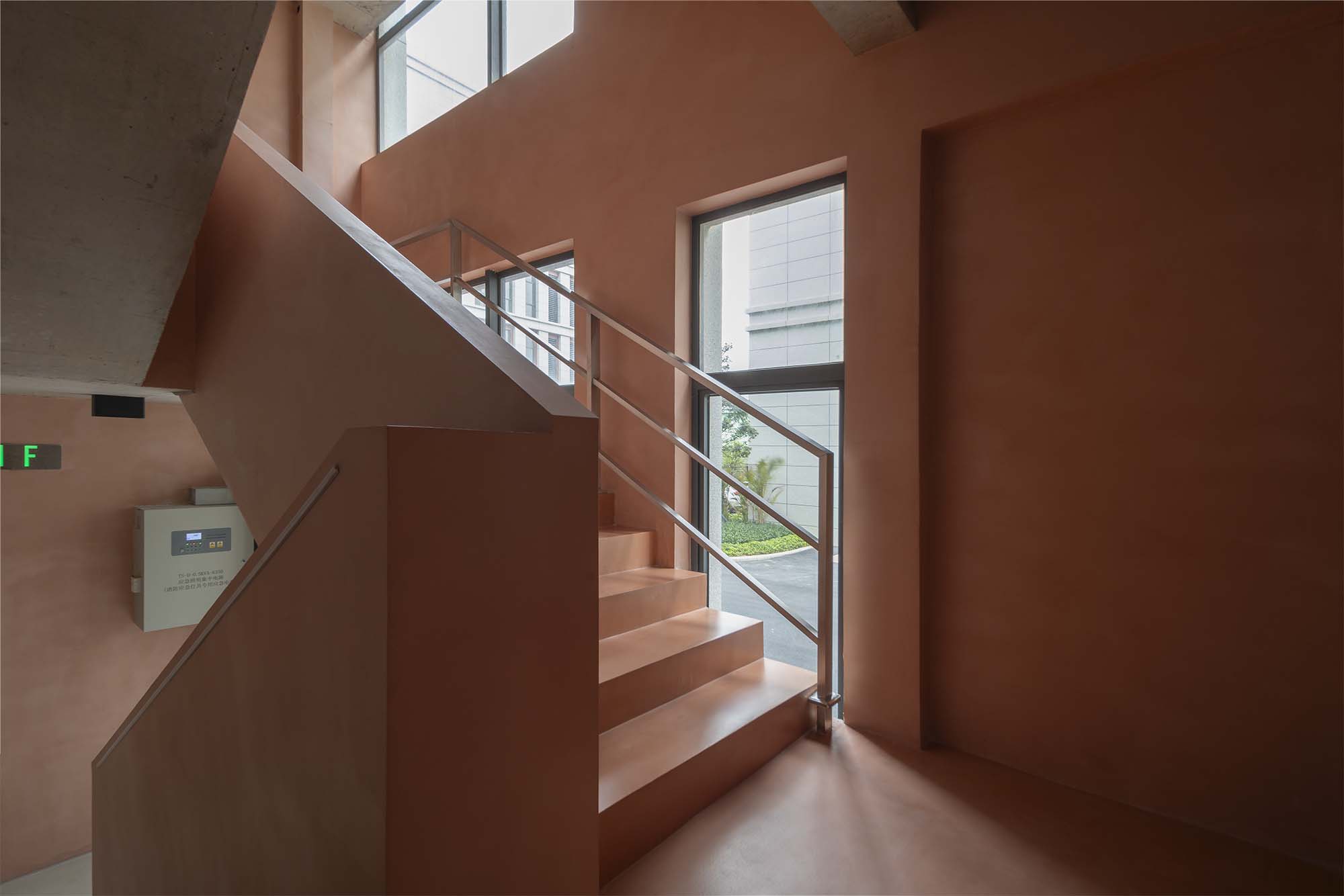
Where MC-7860, MC-7690 and MC-9000 Fit
Most pool projects contain at least three wet zones, and treating them as one specification is a common source of trouble. The mapping below keeps the water envelope, the wet circulation areas and the dry-but-splash-exposed decks on separate systems.
| Zone | Recommended Simon system | Documented rationale |
|---|---|---|
| Pool interior, spa basins, water features | MC-7860 swimming pool microcement | 168-hour chlorinated immersion with no blistering, peeling, cracking or discoloration; 0.77 dry friction coefficient; acid, alkali, bleach, alcohol and lemon juice resistance |
| Changing rooms, showers, wet floors | MC-7690 floor-type microcement | Floor-type microcement formulated for wet areas |
| Pool surrounds, decks, commercial walking surfaces | MC-9000 commercial floor microcement | ≥50 MPa compressive strength; stable from −40 °C to 120 °C; compatible with underfloor heating |
Resort and hotel pools. Continuous operation, public liability and appearance continuity across phases are the dominant constraints. A typical specification uses MC-7860 inside the water envelope, MC-9000 on the deck and MC-7690 in the changing rooms, so that the same visual language runs through three different mechanical environments.
Spa and thermal wet zones. Heat, chemistry and barefoot traffic arrive together. MC-7860 covers plunge pools and treatment basins, while MC-7690 handles the wet floors where chemical cleaners are used most heavily.
Private and salt-chlorinated pools. Chemistry is often maintained by the owner, which raises the risk of over-dosing. The chemical resistance data is the procurement argument; the maintenance briefing at handover is the operational one, and both should be delivered.
Children's pools and family wet areas. The formaldehyde-free, VOC-free, heavy-metal-free composition plus food-contact and maternal-infant safety positioning is directly relevant to schools, family resorts and wellness facilities.
Refurbishment of tiled pools and pool halls. Direct application over existing tile and marble reduces demolition and waste, and the 120-colour base with more than 1,000 mixing formulas makes phased colour matching practical.
Export projects. Simon supplies markets including Africa, the Middle East, Australia and Southeast Asia. On remotely supervised sites the deliverable that matters is a written construction plan and a documented system, because a chlorinated pool cannot be corrected by improvisation after the fact.
Comparison: Microcement System vs Common Cement Paint
Pool budgets often place microcement and common cement paint side by side because both are described as cement-based decorative finishes. They are not the same category of material, and the comparison only becomes useful when it is expressed in lifecycle terms.
| Criterion | Simon microcement system | Common cement paint |
|---|---|---|
| Service life | 15–20 years residential; over 20 years commercial | 3–5 years, prone to powdering, cracking and peeling |
| Compressive strength | Super commercial floor series ≥50 MPa | 5–10 MPa |
| Cracking behaviour | Cracking rate below 0.1% | Above 30%, easily affected by temperature and humidity |
| Environmental profile | Formaldehyde-free, low VOC, EU Grade A+ and China Green Building Material certification | Higher VOC and harmful substance emissions |
| Temperature range | Stable from −40 °C to 120 °C | Normal-temperature environments only |
| Maintenance | Stain-resistant and easy to clean; 5-year maintenance-free service | Repainting every 1–2 years |
| Repair | Local repair with no colour difference, about 10% of full reconstruction cost | Full removal and repainting, cost comparable to initial construction |
| Long-term cost | 40–50% lower total cost than common cement paint | Recurring repaint and repair cost |
Table 2 reflects Simon comparison data for its microcement system against common cement paint. It is a category comparison, not a pool-specific test result. The pool-specific claims in this article rest on the MC-7860 data points in the performance table above.
FAQ
Does MC-7860 satisfy compliance requirements for a chlorinated public pool?
Compliance for a public pool is decided at project level, and MC-7860 supplies the material-side evidence needed to answer it. Composition is formaldehyde-free, VOC-free and heavy-metal-free, and the product is positioned for food-contact and maternal-infant safety. Performance evidence covers 168 hours of chlorinated water immersion without blistering, peeling, cracking or discoloration, plus resistance to 10% H2SO4, 20% NaOH, bleach, alcohol and lemon juice. The wider Simon microcement range holds EU Grade A+ and China Green Building Material certification, and Simon led the compilation of T/CECS 10192-2022 Polymer Microcement. The remaining items — local pool codes, wet slip thresholds, the VOC rules of the project's jurisdiction and the structural waterproofing design — must be confirmed against local requirements, and the supplier should provide safety data sheets, composition declarations, test reports and a written construction plan rather than verbal assurance.
Can MC-7860 cope with salt-chlorinated pools and shock dosing?
The published data answers the chemistry rather than the marketing: 168-hour chlorinated immersion, 10% sulphuric acid, 20% sodium hydroxide, bleach, alcohol and lemon juice. That set covers oxidising sanitiser, alkaline cleaners, acid washing and organic acids, which are the four families that reach a pool finish during normal operation and maintenance. Two conditions apply. Water balance still has to be managed, because no sealer is designed for permanent extreme pH. And the sealer is a wear item that should be inspected and renewed on the interval agreed at handover.
How should pool microcement be compared with tiling or cement paint on cost?
Compare on total cost of ownership, not on the first invoice. Simon comparison data places long-term total cost 40–50% below common cement paint, with 5-year maintenance-free service and local repair at roughly 10% of full reconstruction cost. As a regional anchor, a 2026 European benchmark for installed microcement flooring is EUR 95–127 per square metre including material and labour. For a pool specifically, the quotation should be split into substrate preparation, waterproofing, microcement system, sealer, drain-down and programme time, because the hidden cost of a pool failure is operating downtime rather than material.
Can we validate MC-7860 before it enters the specification?
Yes, and the sample should be a system sample rather than a colour chip. Simon offers 120 basic colours and more than 1,000 mixing formulas, so colour matching is practical, but the useful validation is a panel built in the same sequence as the pool — primer, microcement body, finish and sealer — on the substrate type actually present. Test that panel wet for slip, spot-test it with the operator's own cleaning agents, and retain it as the acceptance reference. A colour card alone cannot confirm adhesion or sealer performance.
What information is needed to quote a pool project and confirm lead time?
Six items start the process: pool type and dimensions, substrate (existing tile, concrete or old coating), disinfection method, project location, completion window and colour direction. With those, Simon can propose a zone-by-zone system using MC-7860 for the water envelope, MC-7690 for wet changing areas and MC-9000 for surrounds, and issue a construction plan that reflects the site conditions. Requests can be sent to meidafu@126.com or WhatsApp +86 183 1904 6545, and the full catalogue can be downloaded from the link below.
Conclusion
Pool microcement failures are rarely random. They follow a pattern of moisture, chemistry, movement and adhesion, and each of those can be specified against. MC-7860 gives a specifier statements that can be tested and written into a specification: 168 hours of chlorinated immersion without blistering, peeling, cracking or discoloration; a 0.77 dry friction coefficient; resistance to 10% H2SO4, 20% NaOH, bleach, alcohol and lemon juice; and a formaldehyde-free, VOC-free, heavy-metal-free composition with food-contact and maternal-infant safety positioning. Around that product, MC-7690 and MC-9000 cover the wet changing and pool-surround zones, so a single project does not depend on one system for three different load cases.
The decision rule is simple. Ask for immersion data, ask for friction data, ask for chemical data, ask for composition data, and ask which layer of the system each one describes. A supplier who can answer all four can be held to a specification. A supplier who answers with adjectives cannot.
Next step: samples, system proposal and catalogue
Request MC-7860 samples and a zone-by-zone pool system proposal, or download the Simon product catalogue for full technical reference.
Download the Simon microcement catalogue (PDF)
Website: en.webstucco.com · pufloor.com
Email: meidafu@126.com · Tel / WhatsApp: +86 183 1904 6545
Have Questions or Need More Details?
Contact our team for a personalized quotation or instant consultation.
Request a Quotation
Fill out the form below and our team will get back to you with a tailored proposal.
WhatsApp Direct Chat
Prefer to chat in real-time? Message us on WhatsApp for instant assistance & quick answers.
- Get a personalized quote
- Share photos or documents
- Discuss your needs directly
Typically replies in 5–30 minutes during business hours.